HenSistemas Blog

Agriculture

Field measurements that support farm management: soil moisture, local weather and irrigation, with sensors and data loggers.

Follow via RSS · HenSistemas Notes

· 28 min read

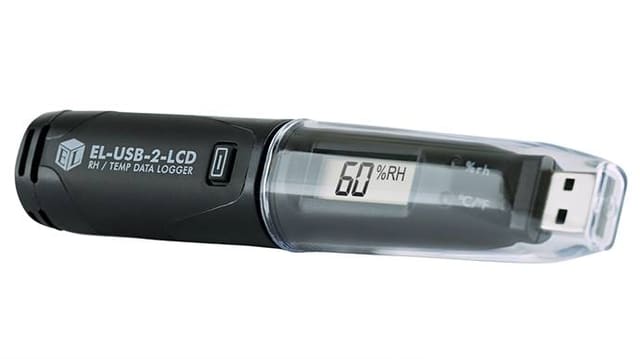
Animal environment in research: how to measure temperature, humidity and black globe in livestock buildings, calculate THI, BGHI and enthalpy and combine them with the weather station

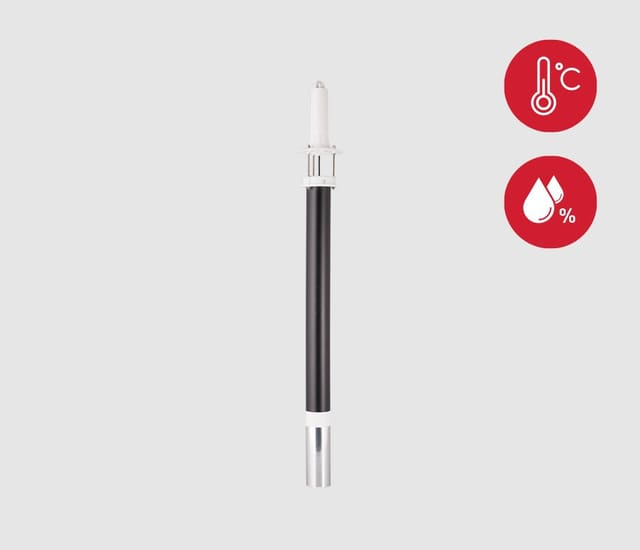
A didactic guide to measuring the thermal environment in poultry houses, dairy barns and paddocks: why a thermometer alone is not enough, black globe temperature, air velocity, the THI, BGHI, radiant heat load and enthalpy indices (with local pressure), choosing a temperature and humidity logger and propagating its error, standard and alternative globes, installation, intercalibration, salt solutions, ammonia, quality control, a worked example, combining with the weather station and applications in Brazilian research.
· 26 min read

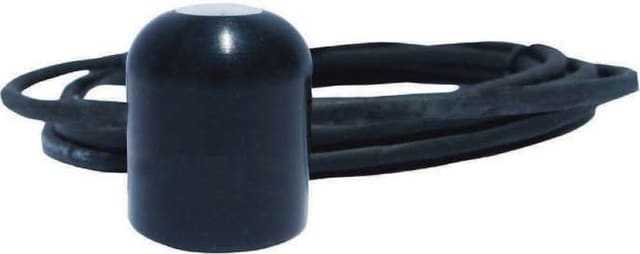
Silicon-cell pyranometer at the weather station: when it is enough, where the errors come from and how to calibrate it against a thermopile

A didactic guide to silicon photodiode pyranometers at research stations: how they work, why calibration holds for clear skies, spectral error under clouds and in reflected light, cosine response, temperature, dirt on the acrylic diffuser and drift, what ISO 9060:2018 says (Class C, not spectrally flat), when the sensor is enough, field cross-calibration against a thermopile with a clear-sky filter and worked example, the FAO-56 Rso envelope, integration to MJ/m²·day, effect on ET₀, dense low-cost networks and Brazilian references.

· 18 min read

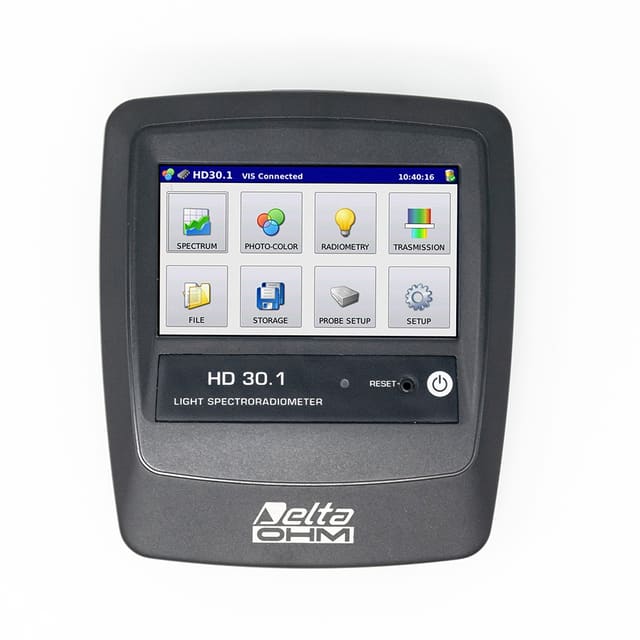
Spectral light quality in plant research: how to measure the spectrum with a spectroradiometer under LEDs, coloured shade nets and greenhouses and combine it with weather-station PAR

A didactic guide to measuring spectral light quality in plant research: quantity vs. quality, how a spectroradiometer works, PPFD, ePAR (400–750 nm), band fractions, R:FR ratio and PSS calculated from the spectrum, why lux cannot equalise treatments, Brazilian examples with coloured nets and in vitro LEDs, measurement campaigns, transmittance of nets and vessels, instrument limits and combination with continuous weather-station PAR.

· 17 min read

Leaf wetness at the weather station: how to measure leaf wetness duration, install the sensor and estimate it from relative humidity for disease warnings

A didactic guide to measuring leaf wetness at the weather station: what LWD is and why it is non-standard, the wetness requirement of Asian soybean rust, the resistance-grid sensor and its wet threshold, painting and heat treatment, the 30 cm / 30° reference position above turfgrass (Piracicaba studies), estimation from RH ≥ 90% with local calibration, an illustrative example, logging interval, quality control and Brazilian references.

· 16 min read

Atmospheric CO₂ at the weather station: how to measure outdoor carbon dioxide with an NDIR sensor, correct for pressure and humidity, and read the daily cycle

A didactic guide to measuring outdoor CO₂ with an NDIR sensor at the weather station: signal magnitudes (NOAA background, daily cycle, local sources), NDIR principle, pressure and temperature correction with a 1000 m example, dry-air conversion, the ABC auto-calibration trap, choosing range and output, concentration vs flux, reference-gas calibration and co-location, installation, quality control and Brazilian references.

· 16 min read

Greenhouse microclimate in research: how to measure temperature, humidity and vapour pressure deficit (VPD) and compare it with the weather station

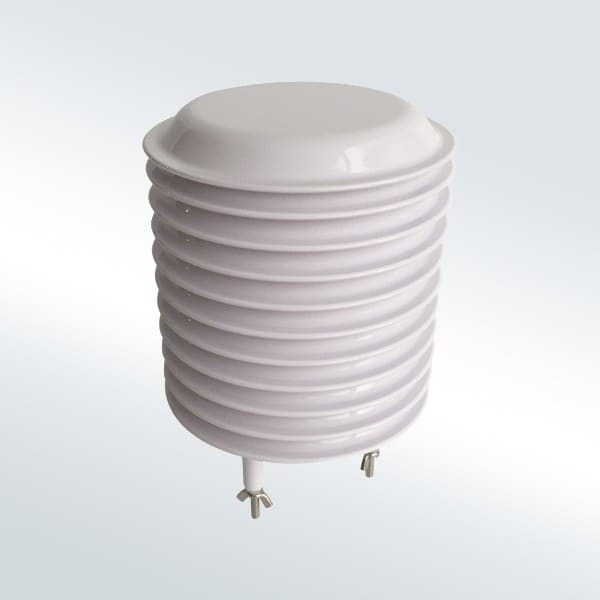
A teaching guide to measuring and documenting greenhouse and plastic-tunnel microclimate to research standards: why a weather station shield fails in still air (convection vs aspirated shield), how to read the sensor datasheet (0.4 °C; 4–6% RH; τ63% of 1 min), computing VPD with FAO-56 through worked examples (same dew point, three times the VPD; a sensor 2 °C too warm inflates VPD by 30%), installation at canopy height, gradient mapping for block designs, inside vs outside comparison with the weather station (transmittance, ΔT, ΔVPD), QC, maintenance and Brazilian studies from UFPel and ESALQ/USP.

· 16 min read

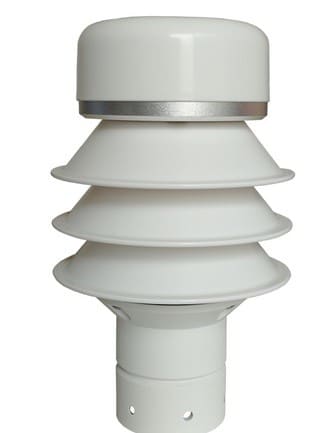
Integrated weather station on campus and at the experimental farm: installation, comparison with INMET and data quality control

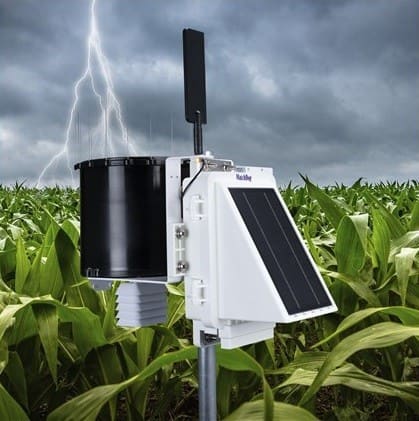
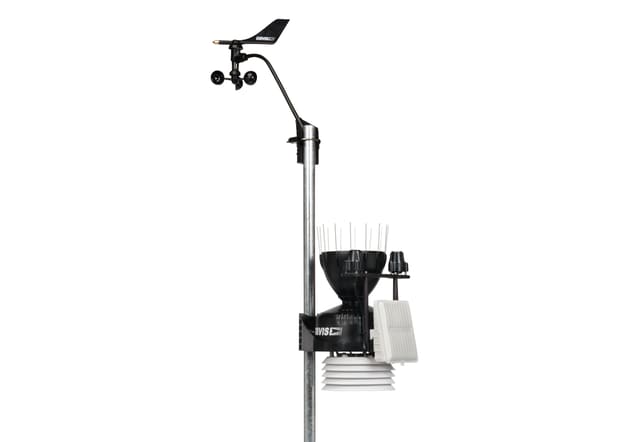
A teaching guide to using an integrated automatic weather station (sensor suite + console) as a research data source: how to read the datasheet (+2 °C passive-shield error, photodiode radiation at ±5% of full scale, console ET that is not FAO-56), WMO siting (heights, site class, true north, barometer elevation), logging in UTC, intercomparison with Brazil's INMET network (MBE, RMSE, Willmott's d, Camargo & Sentelhas's c index, worked example converting wind to 2 m), Allen/FAO-56 integrity tests, maintenance and Brazilian studies from UNESP Jaboticabal.

· 11 min read

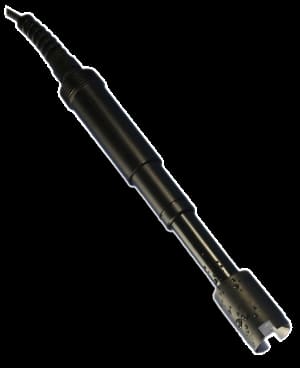
Dissolved oxygen in fish farming: growth, weight gain and aerator control

A guide for fish farming on the relationship between dissolved oxygen, appetite, growth and feed conversion. Understand overnight DO decline, Embrapa guidance and how an optical probe sends pond measurements to a controller over 4–20 mA or RS485 for aeration management.

· 11 min read

Doppler radar precipitation gauge at the weather station: intensity, precipitation type and maintenance-free sensing

A teaching guide to the Doppler radar precipitation gauge in research: 24 GHz principle (fall speed and drop size), rain/snow/hail classification, intensity without a funnel or moving parts, comparison with tipping bucket, weighing gauge and capacitive detector, key specs (±10%, 0.01–200 mm/h, RS485/ModBus), installation and QC with wind and temperature, energy budget without a heater, and Brazil use cases (urban hydrology, remote stations and network QC).

What do you need to measure?

Tell HenSistemas about your application.