HenSistemas Blog

Water

Water level, flow and quality in rivers, wells, reservoirs and treatment plants: what to measure and how to install the sensors.

Follow via RSS · HenSistemas Notes

· 24 min read

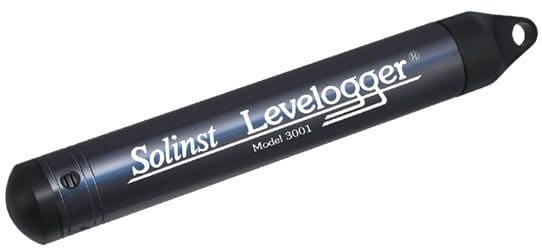
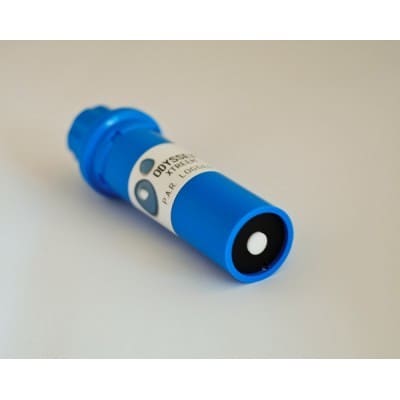
Underwater light in research: how to measure PAR below the surface with a submersible logger, calculate the attenuation coefficient and euphotic zone and combine it with the weather station

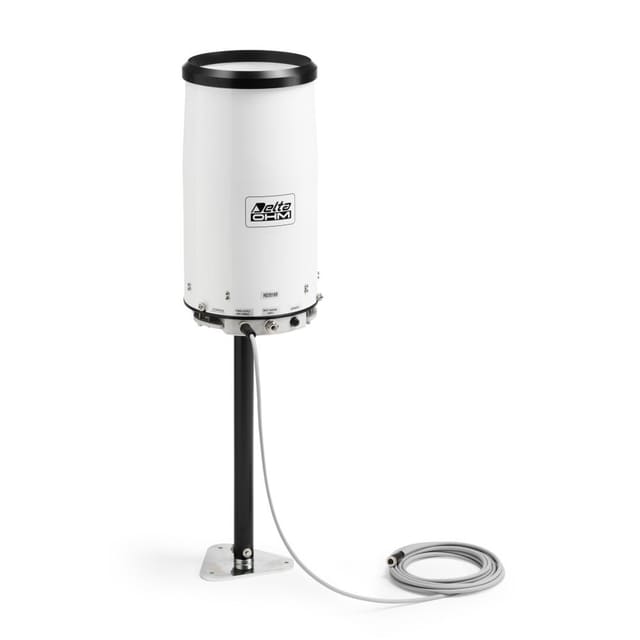
A didactic guide to measuring photosynthetically active radiation underwater in lakes, reservoirs, ponds and coastal waters: why the Secchi depth is not enough, the Beer-Lambert law, the attenuation coefficient Kd and euphotic zone, limits of the 1.7 factor (Padial and Thomaz), the immersion effect and when it cancels out, logger calibration and intercalibration, mounting, biofouling, step-by-step calculation with a worked example, combining with weather-station PAR, rain and wind, and applications in Brazilian research.
· 22 min read

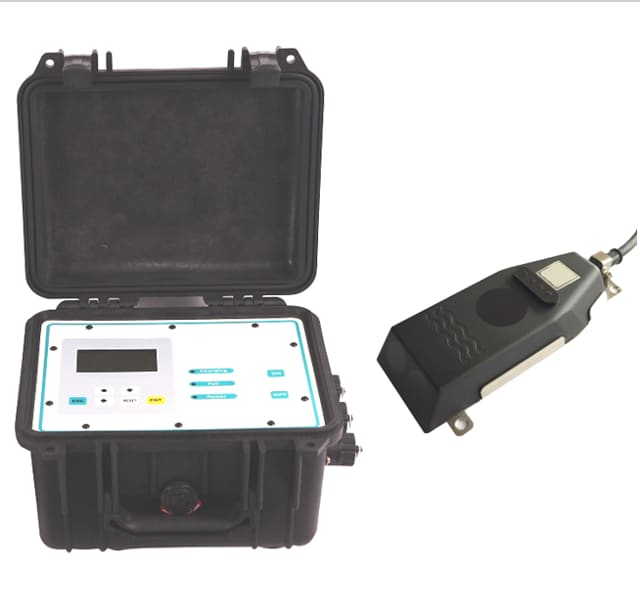
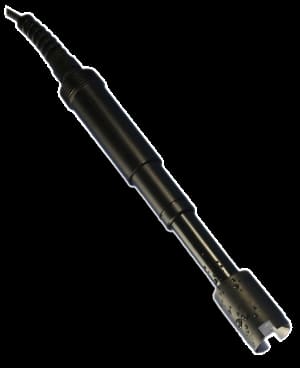
Stream and channel discharge in research: how to measure with an area-velocity Doppler sensor, calibrate velocity and relate the hydrograph to the weather station

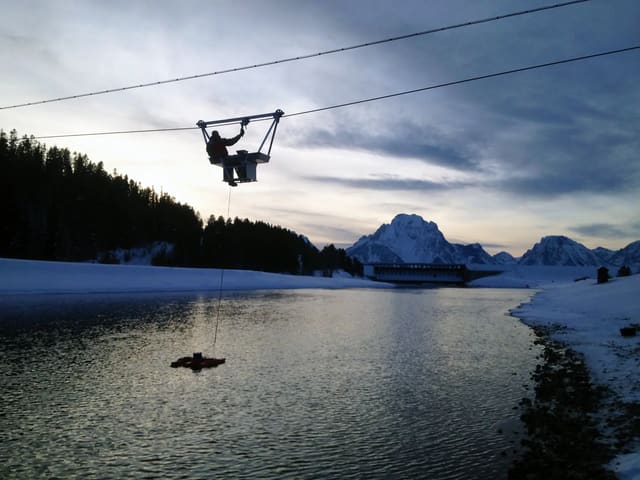
A didactic guide to continuous discharge monitoring for research: why stage is not discharge (backwater, hysteresis, mobile bed), the area-velocity method and index velocity, how the Doppler sensor works with ultrasonic and pressure depth, critical reading of the datasheet (20 mm/s floor, 1.6 m/s default range, depth accuracy), section selection and geometry, calibration with current meter and ADCP, an illustrative runoff coefficient example, barometric compensation, hydrograph separation with conductivity and Brazilian references.

· 11 min read

Dissolved oxygen in fish farming: growth, weight gain and aerator control

A guide for fish farming on the relationship between dissolved oxygen, appetite, growth and feed conversion. Understand overnight DO decline, Embrapa guidance and how an optical probe sends pond measurements to a controller over 4–20 mA or RS485 for aeration management.

· 15 min read

Dissolved oxygen in research: how to measure it with an optical sensor, correct for temperature, pressure and salinity, and combine the data with the weather station

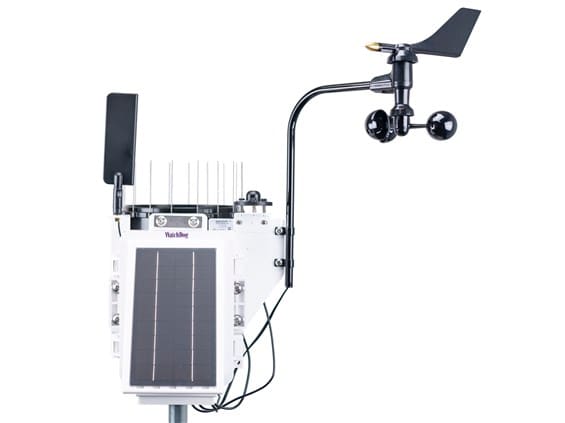
A teaching guide to dissolved oxygen in research: concentration and saturation, Brazil's Conama 357 limits, the diel cycle and stratification, how the optical luminescence sensor works, temperature, barometric pressure and salinity corrections, calibration and Winkler checks, field installation, and estimating ecosystem metabolism with wind, pressure and radiation from the weather station.

· 6 min read

Water quality: what to monitor?

Which parameters to follow to understand water quality, such as pH, dissolved oxygen, conductivity and turbidity, and what each one indicates.

What do you need to measure?

Tell HenSistemas about your application.