
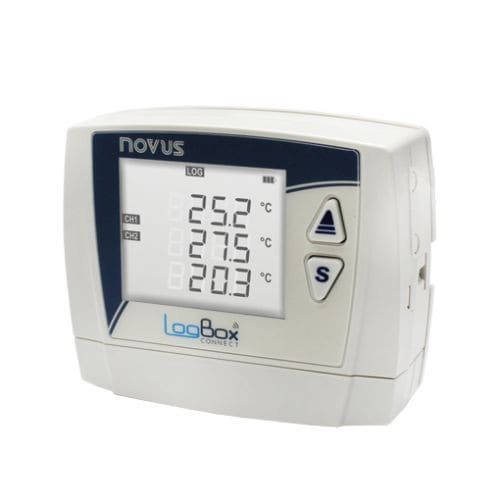
NovusLogBox-BLE
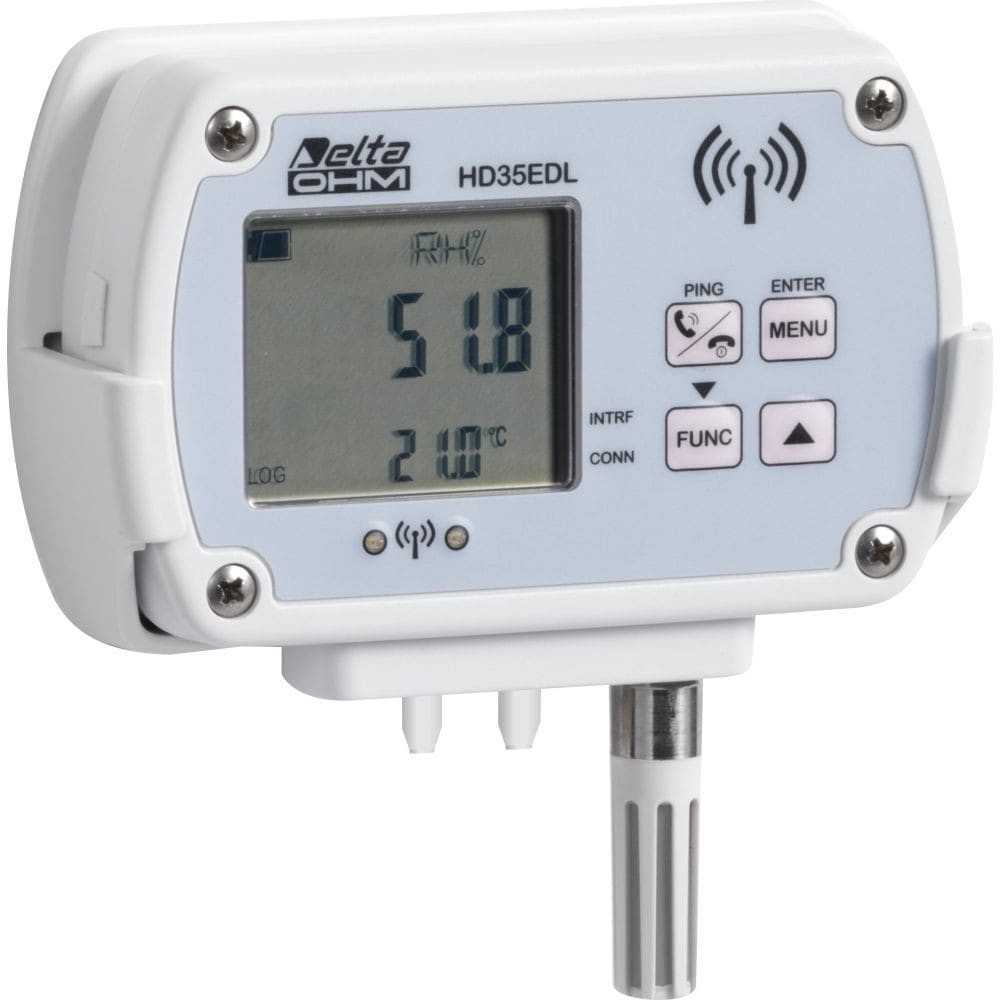
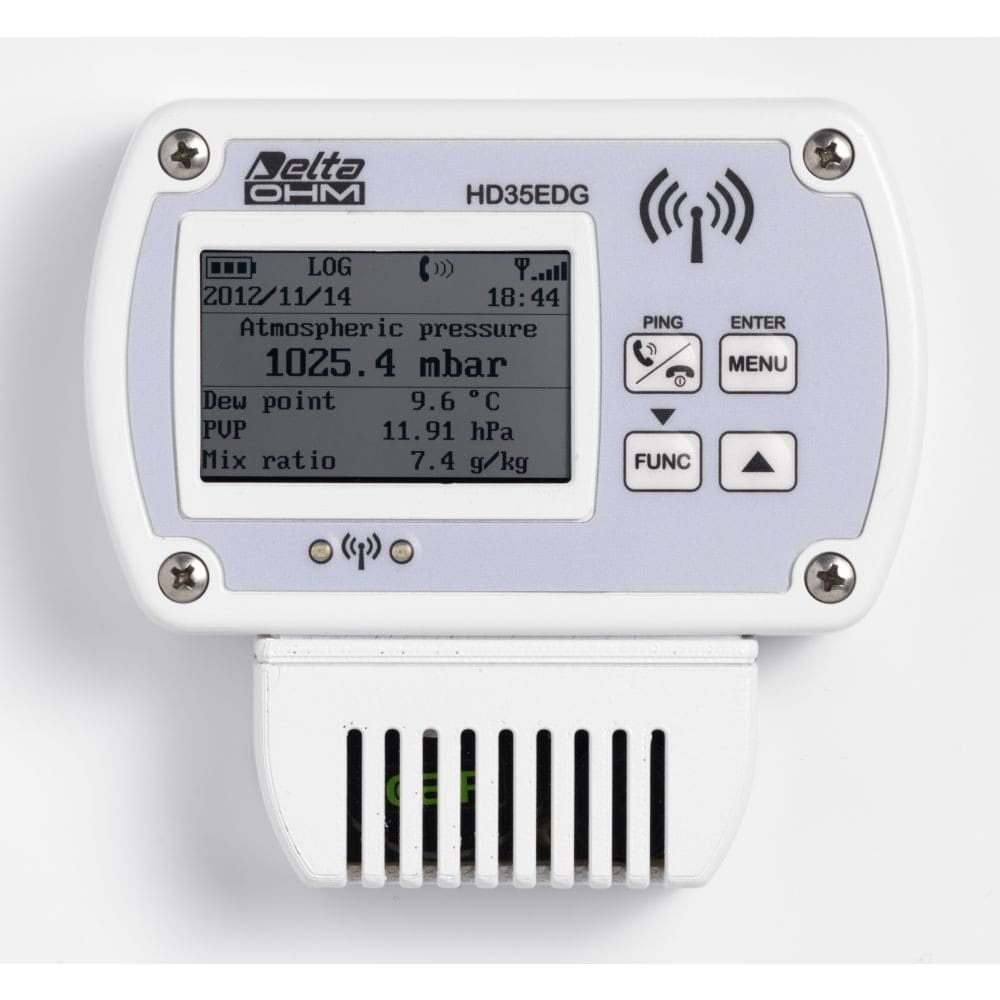
Delta OHM's HD35 wireless data logging system monitors a wide range of physical quantities across many application fields, from temperature, humidity and pressure to illuminance, UVA, UVB and UVC irradiance, CO, CO2, solar radiation, rainfall, wind, leaf wetness, soil water content, level and the WBGT index.
Price on request
No sign-up. You review the list and send it when you are ready.
Torn between two models?
Ask on WhatsAppSaves this product and the next ones you view in this browser, up to eight, for 30 days. You can disable it under “History” in the footer.
History is enabled in this browser. History
HD35 data loggers are available for:
Models that measure relative humidity and temperature also work out derived humidity quantities, which vary by model: dew point, wet bulb temperature, absolute humidity, mixing ratio and partial vapor pressure. External probes plug into the logger through an M12 connector or a screw terminal header, depending on the model, and some models come with built-in sensors.
Loggers with terminal header inputs can take:
That opens the system up to countless other quantities beyond those listed above.
HD35AP… base unit. It links the system's data loggers, placed at the measurement sites, with the PC, and talks to the remote loggers wirelessly. When it is connected to the PC by USB, the PC's USB port powers it directly; without USB, it runs on its internal rechargeable battery or on the optional external power adapter. The HD35APW and HD35APG…/HD35AP3G… versions need the external adapter.
HD35RE… repeaters. They bridge the HD35AP… base unit and the remote HD35ED… loggers, extending the communication distance between them; several repeaters can be chained between a logger and the base unit to reach even further.
HD35ED… data loggers. These are the remote units wired to the measuring probes. Installed in the areas to be monitored, they run on a long-lasting internal battery (not rechargeable), store readings in internal memory and send them to the base unit automatically at regular intervals or when the user asks. They come with or without LCD; the LCD versions also show the readings and the RF signal quality on site and can be configured from the front keypad.
HD35ED-ALM remote alarm module. Its relay outputs drive signaling devices (sirens, flashing lights, etc.) or actuators.
A system can hold up to 255 devices, counting the base unit and any repeaters, and each one has its own unique address. With no cables to run, installation is simple and fast, material and labour costs drop considerably, and components can be moved whenever needed. There is also no need to take a logger down or visit the site to download its data to the PC.
No published specifications for this product.
NovusLogBox-BLE
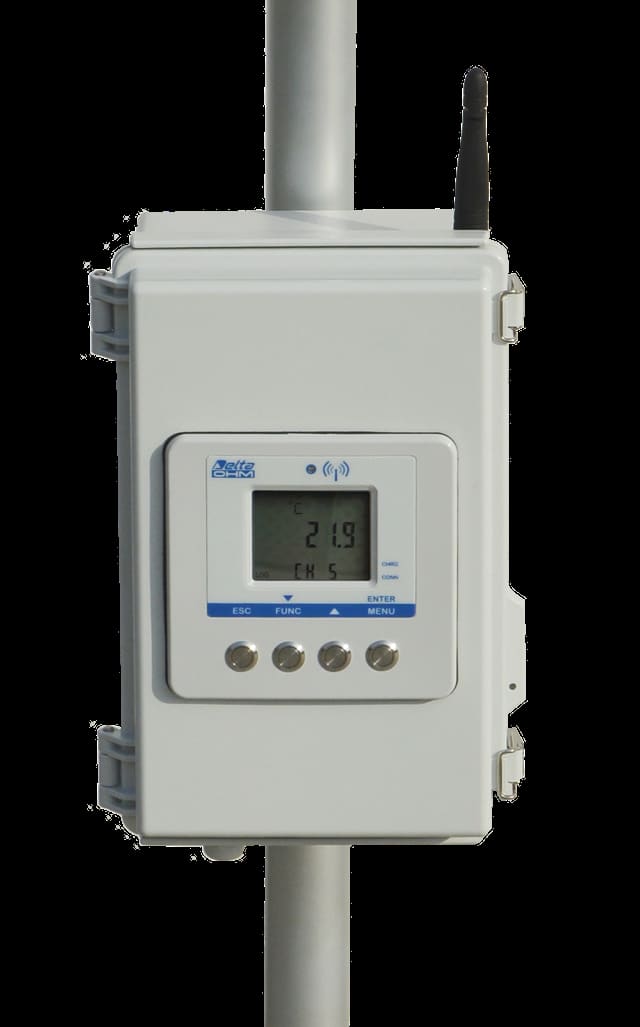
DeltaOhm - GHM GroupHD33MT.4
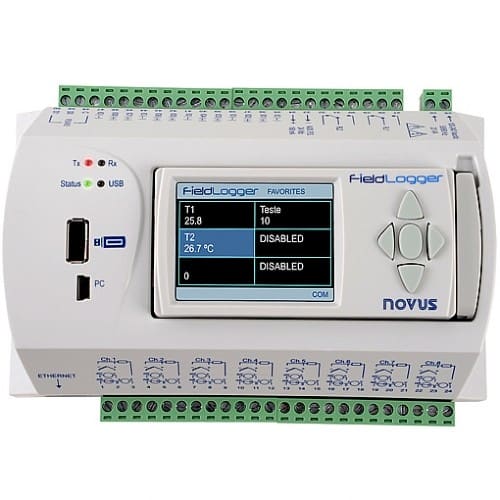
NovusFieldLogger
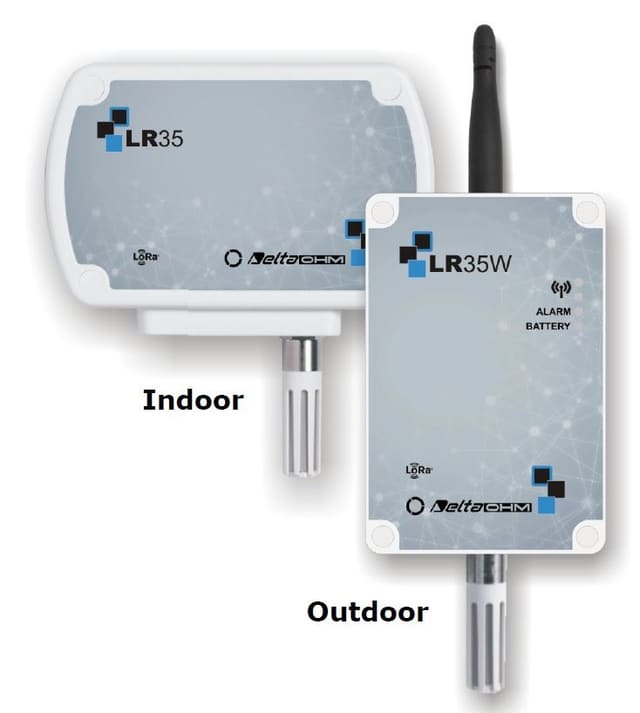
DeltaOhm - GHM GroupLR35
Tell HenSistemas about your application.