
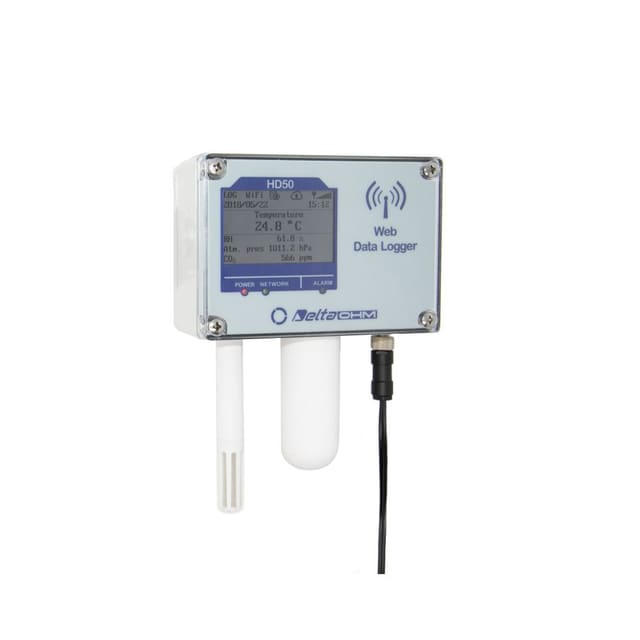
DeltaOhm - GHM GroupHD50
Applications
Wind, rainfall, temperature, relative humidity, pressure and radiation, from a compact station to a full network.
A weather station combines sensors, a data logger that stores the readings and a way to send them. This guide helps you match the three to your site.
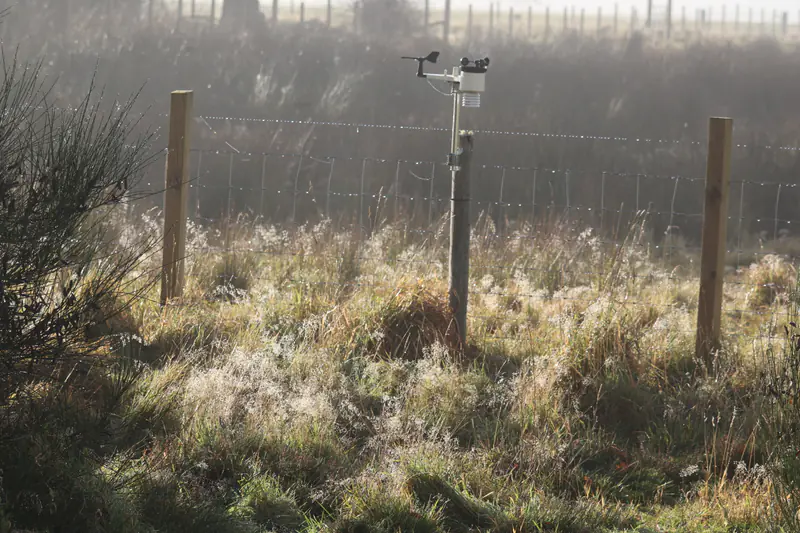
Weather changes from place to place: the rain in the next town is not the rain on your field. Irrigation, solar plants, highways and research need on-site measurements, recorded continuously by sensors that can take sun, rain and cold.
A compact station with everything in one body, or separate sensors wired to a data logger. Data can travel over cellular, Wi-Fi, Sigfox, satellite, LoRaWAN or radio. Sensors with SDI-12 or Modbus output plug into loggers already in the field. Away from the grid, use a solar panel; in the cold, heated versions. Silicon pyranometers respond faster; thermopile ones are more accurate. Some loggers send alerts by email or SMS.
Filter and sort
DeltaOhm - GHM GroupHD50
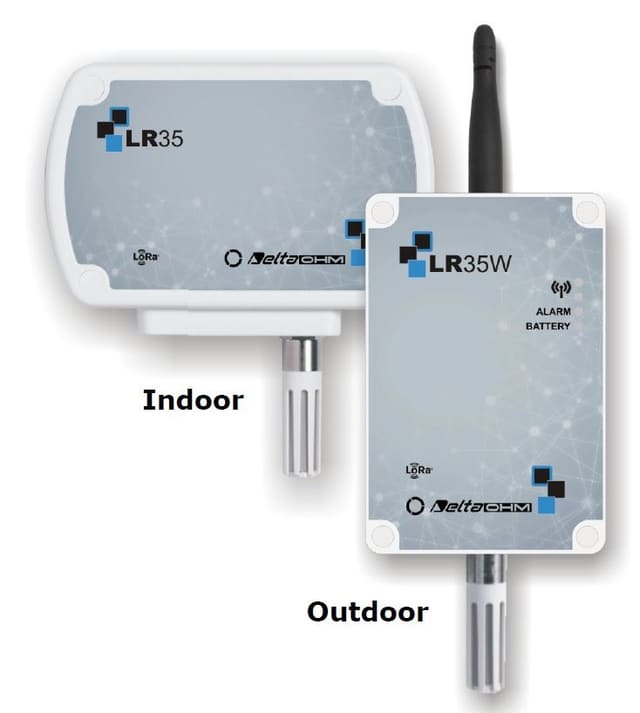
DeltaOhm - GHM GroupLR35
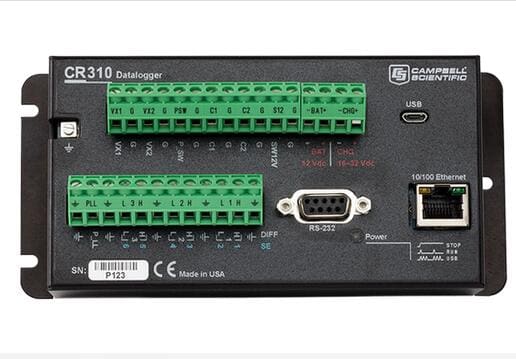
Campbell ScientificCR310-WiFi
Tell HenSistemas about your application.