
Kipp & Zonenkipp&zonen
Applications
Wind, rainfall, temperature, relative humidity, pressure and radiation, from a compact station to a full network.
A weather station combines sensors, a data logger that stores the readings and a way to send them. This guide helps you match the three to your site.
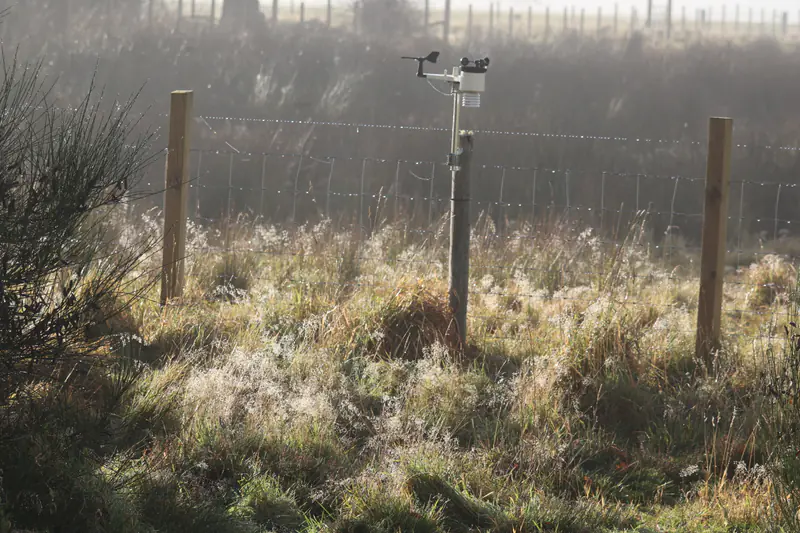
Weather changes from place to place: the rain in the next town is not the rain on your field. Irrigation, solar plants, highways and research need on-site measurements, recorded continuously by sensors that can take sun, rain and cold.
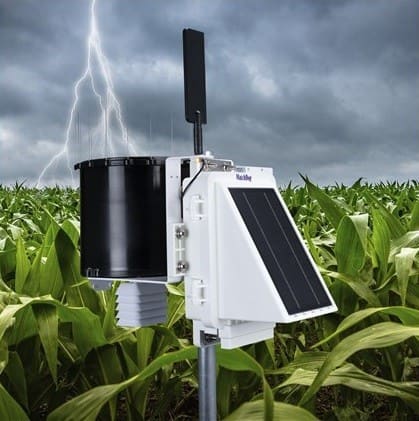
A compact station with everything in one body, or separate sensors wired to a data logger. Data can travel over cellular, Wi-Fi, Sigfox, satellite, LoRaWAN or radio. Sensors with SDI-12 or Modbus output plug into loggers already in the field. Away from the grid, use a solar panel; in the cold, heated versions. Silicon pyranometers respond faster; thermopile ones are more accurate. Some loggers send alerts by email or SMS.
Filter and sort
Kipp & Zonenkipp&zonen
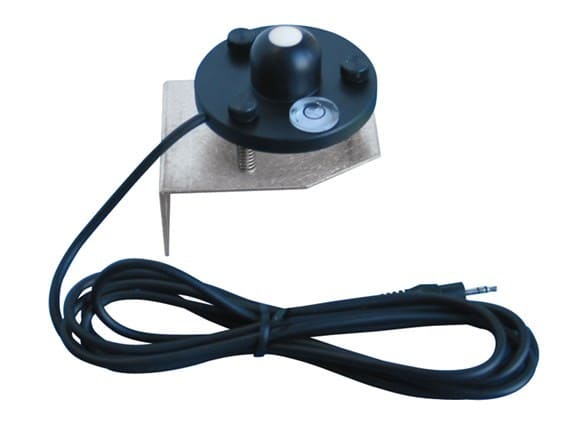
Spectrum Technologies3668I
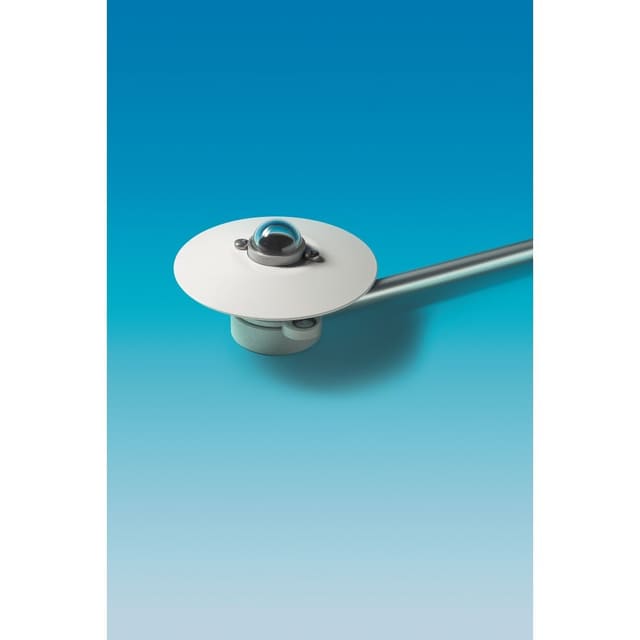
DeltaOhm - GHM GroupLPPYRA03
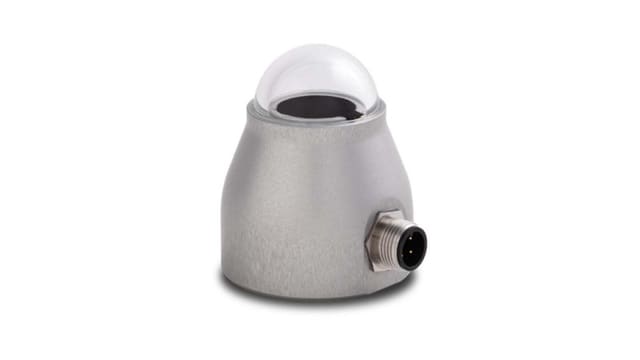
DeltaOhm - GHM GroupLPPYRA-Lite
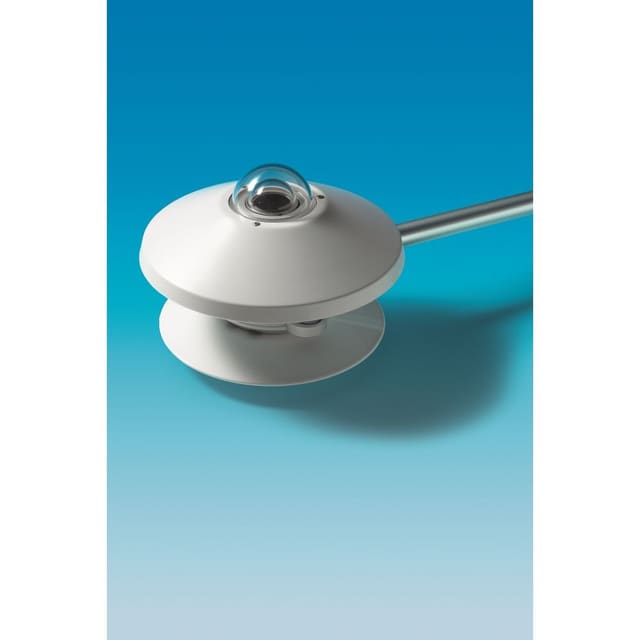
DeltaOhm - GHM GroupLPPYRA05
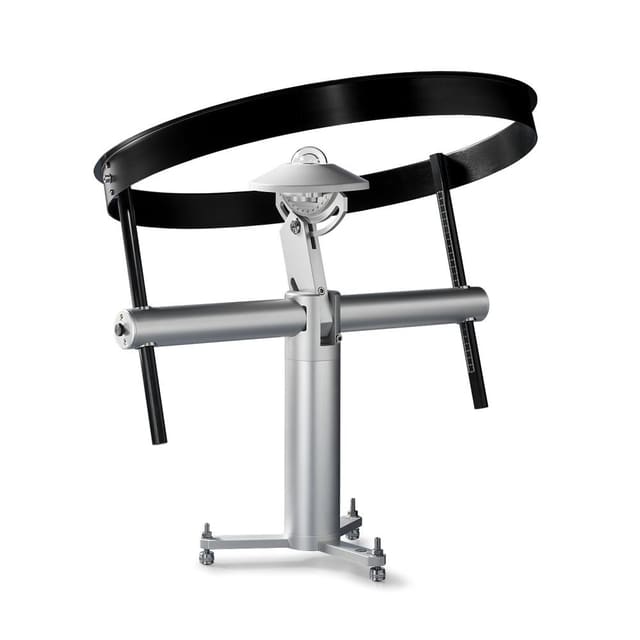
DeltaOhm - GHM GroupLPPYRA12
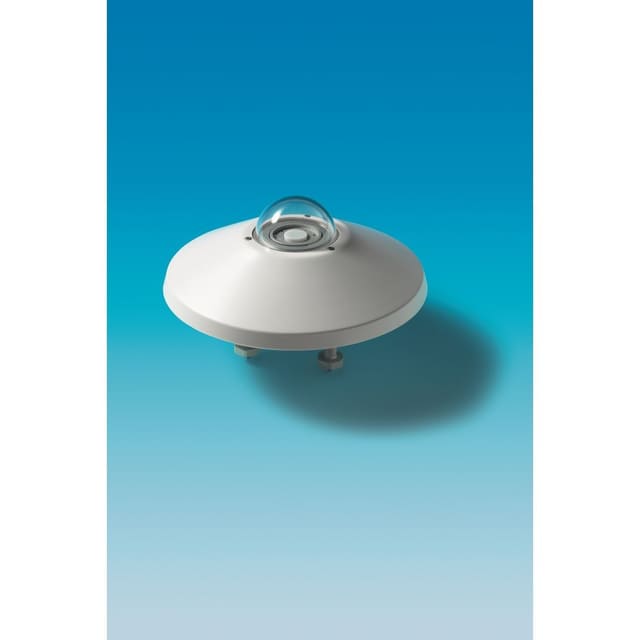
DeltaOhm - GHM GroupLPUVA02AC
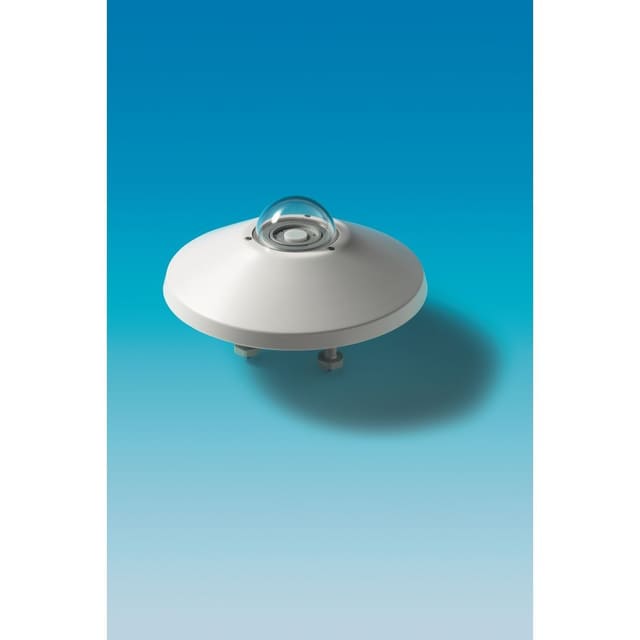
DeltaOhm - GHM GroupLPUVA02AV
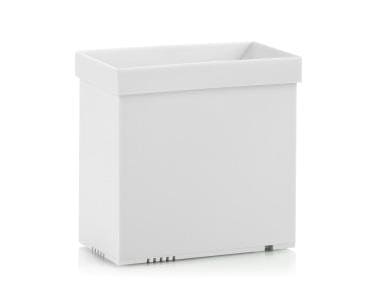
PronamicRAIN-O-MATIC
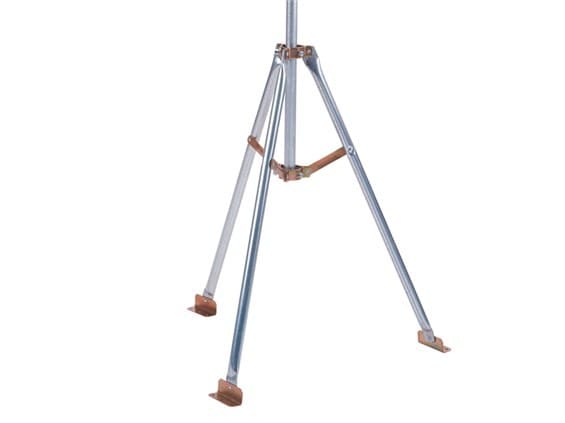
Spectrum TechnologiesEIC3396TPS
Spectrum Technologies3350WD2
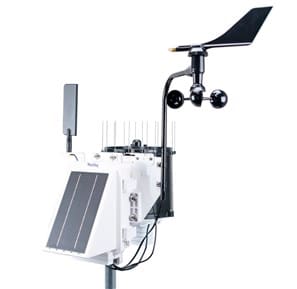
Spectrum Technologies3250
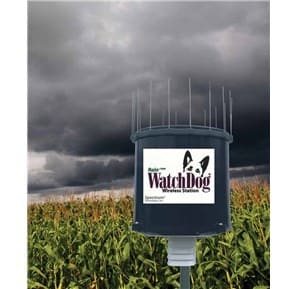
Spectrum Technologies3200R1
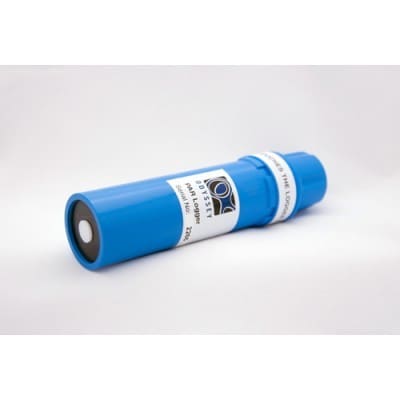
DataFlow-SystemsEIC-ODYPAR
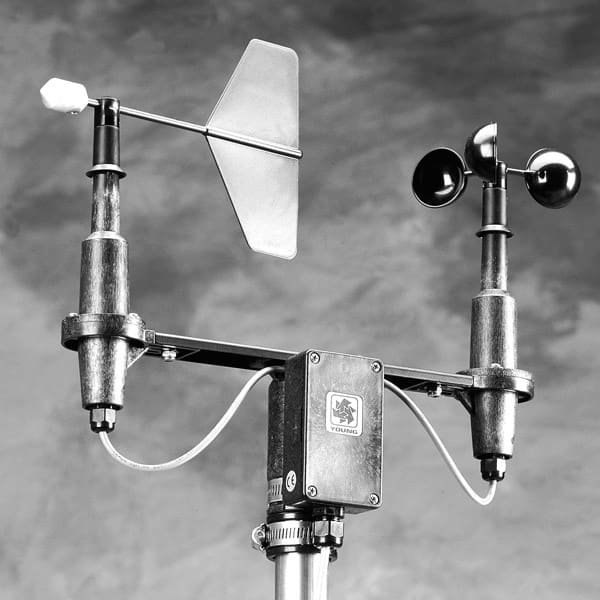
EIC-03002
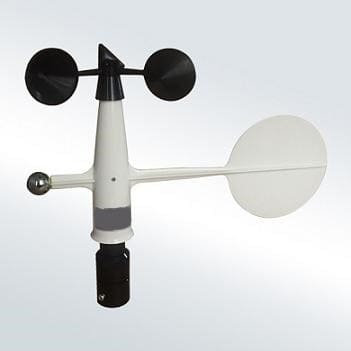
EIC28120-01
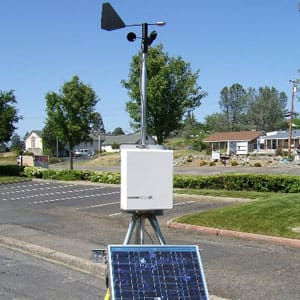
HenSistemas14110-WS-HS-SAT
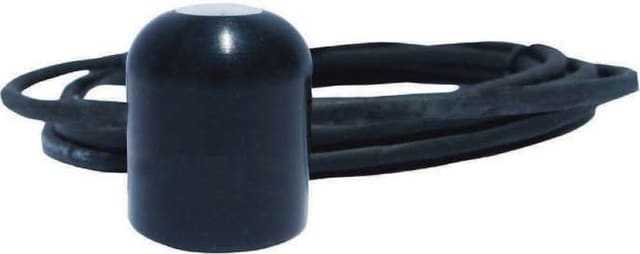
280-SP
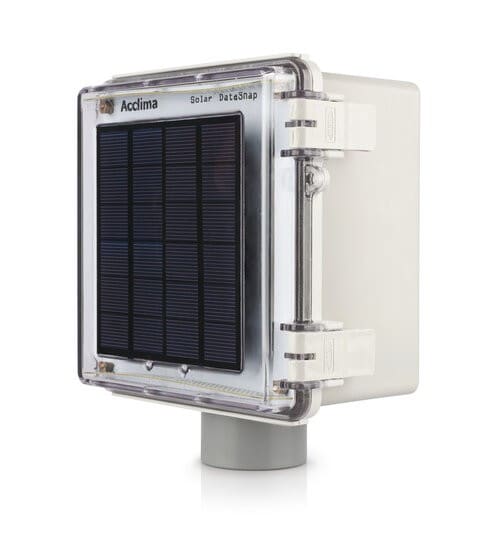
ACCLIMADataSnap
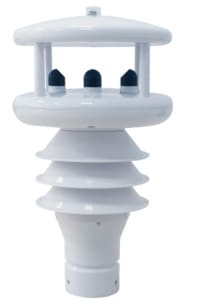
HenSistemasHS14EMD
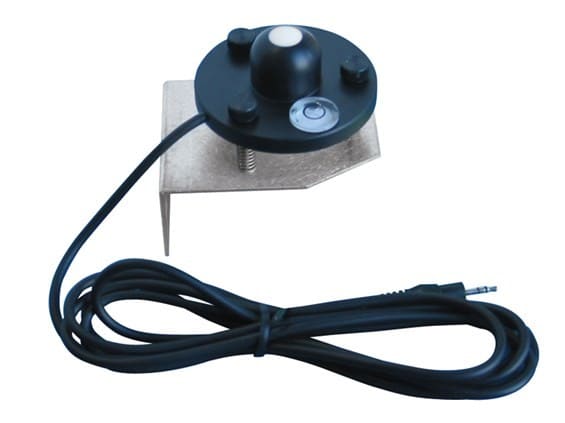
Spectrum Technologies3670I
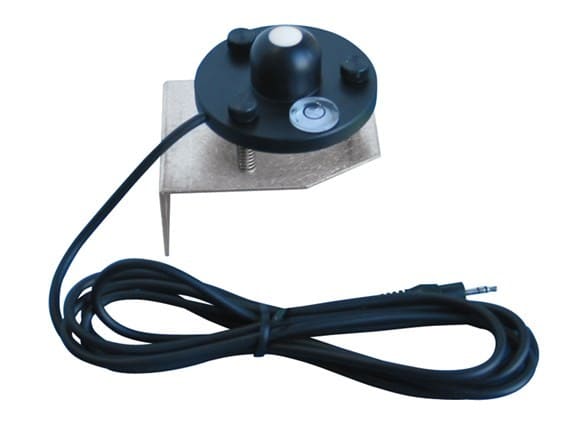
Spectrum Technologies3676I
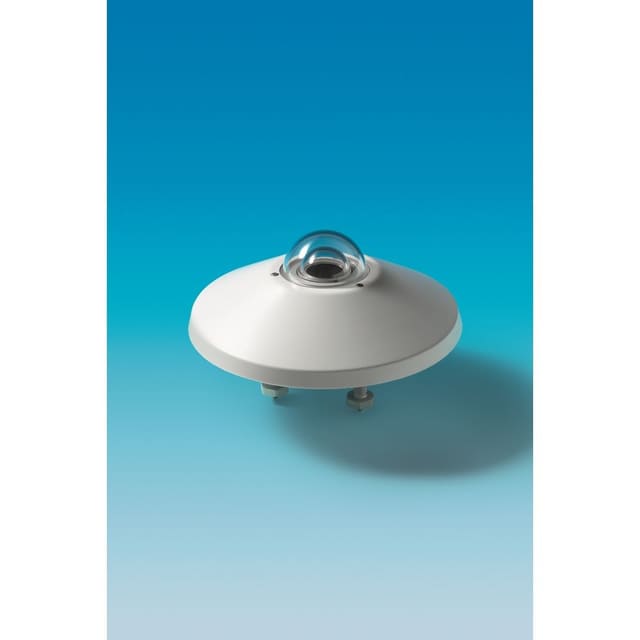
DeltaOhm - GHM GroupLPPYRA02
Spectrum Technologies3220MU
Tell HenSistemas about your application.